

Disclaimer: I’m not a medical doctor. This is not medical advice and is for informational purposes only. Everything shared here is based on my personal experience. Always do your own research and consult a qualified practitioner before making changes to your own routine.
Most people attempting gut detoxes are accidentally poisoning themselves.
You start an antimicrobial protocol, kill some pathogens, break up biofilms, and suddenly you feel worse than before you started. Brain fog intensifies. Fatigue worsens. Your skin breaks out. You assume it’s just normal die-off or herx reactions and push through.
Some degree of discomfort during detox can be normal and expected. When pathogens die, they release toxins. You might experience mild fatigue, temporary brain fog, or slight digestive changes for a day or two as your body processes and eliminates what’s been mobilized.
But there’s a massive difference between mild, temporary symptoms and complete debilitation. If you’re bedridden with severe headaches, experiencing intense nausea, or barely able to form coherent thoughts, that’s not “normal detox.” That’s likely your redox and detoxification systems being overwhelmed.
Too many people have been conditioned to expect suffering during detox protocols. They think feeling terrible means “it’s working.” This can be dangerously wrong.
Effective detoxification should make you feel progressively better, not worse. Feeling like you’ve been hit by a truck is a red flag that something in your protocol needs to change.
Successful detoxification involves far more than just antimicrobials or substances that free toxins from tissues. In many cases, a thorough preparation period is necessary. Focusing on liver support, optimal gut motility, lymphatic drainage, and kidney function. These systems often need optimization before (or alongside) any detox protocol to prevent overwhelming your elimination pathways.
These foundational elements are critical topics that deserve their own deep dives, which I’ll cover in other posts.
What I’m covering in this post is another crucial factor that helps take pressure off your detoxification systems: binders.
These help ensure toxins aren’t just lingering in your gut, driving inflammation and oxidative stress, or worse, being reabsorbed back into circulation.
The Recirculation Problem
When you kill pathogens, disrupt biofilms, or mobilize heavy metals from tissues, these substances don’t just disappear. They release into your digestive tract as:
Endotoxins (lipopolysaccharides from gram-negative bacteria)
Biofilm components (polysaccharides, proteins, extracellular DNA)
Heavy metals (mercury, lead, cadmium stored in tissues)
Mycotoxins (from fungal overgrowths)
Bacterial metabolites (ammonia, hydrogen sulfide, other waste products)
Your gut is supposed to eliminate these. But these toxins can be reabsorbed back into circulation, especially if you have leaky gut or motility issues (which most people with chronic gut issues do).
When these substances aren’t cleared and are circulated, it can lead to:
Liver and/or kidney overload as they have to process the same toxins repeatedly
Worsening microbiome imbalances and inflammation
A vicious cycle where toxins further damage the gut lining, allowing more toxins to be circulated through the system
Systemic inflammation from these circulating toxins
Heavy metals and certain bacterial metabolites crossing the blood-brain barrier
Negative impacts on mitochondria and cellular energy production, which can have a long list of downstream effects
These are some of the reasons why many people feel terrible during detox protocols and why some never fully recover. They’re essentially poisoning themselves when the right support isn’t provided.
Enter Binders: A Common Missing Piece
Binders are substances that attach to toxins, heavy metals, microbial byproducts, and other unwanted compounds in the gut, helping support your body’s ability to clear them through stool rather than leaking into systemic circulation.
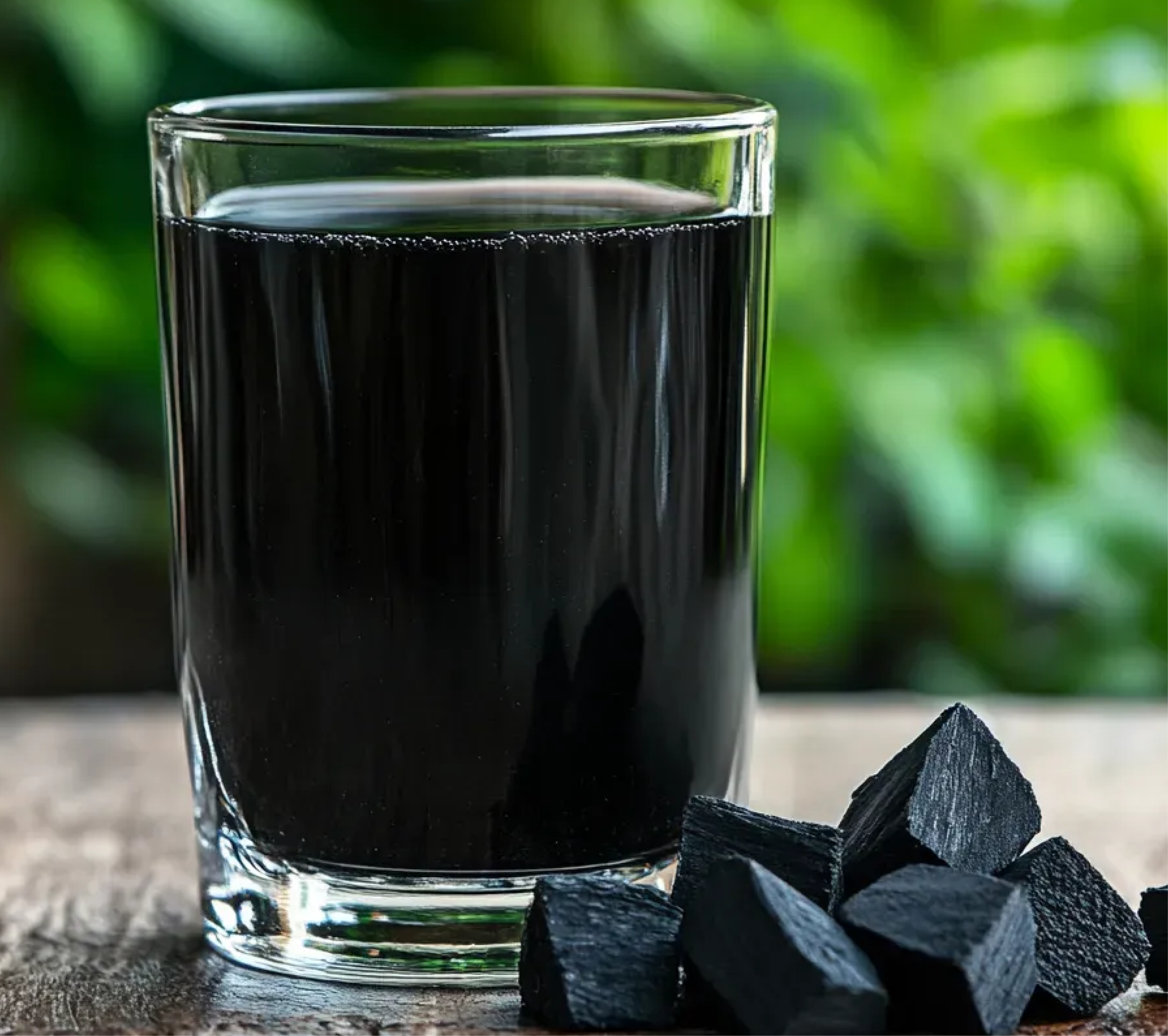
These aren’t some alternative health woo woo tools. Activated charcoal is used in emergency rooms for drug overdoses and poisonings. Cholestyramine is FDA-approved for bile acid malabsorption and prescribed in mold protocols.
The mechanism is straightforward: capture and escort out.
The benefits of proper binder use during detox include:
Less demand on your liver and kidneys to filter the same toxins repeatedly
Prevention of toxin reabsorption, it breaks the recirculation cycle
Less systemic exposure to inflammatory substances
Actually eliminating what you’re mobilizing
Significantly reduced “die-off” reactions in many cases
They’re accessible, affordable, and when used correctly, very effective.
Not All Binders Are Equal
Here’s what most people get wrong: they assume any binder will work for any situation. But binders vary dramatically in:
Binding strength (weak to extremely potent)
Selectivity (what they can and cannot bind)
Site of action and particle size (stays in gut and works locally vs. enters bloodstream and can help systemically)
Specificity (targeted vs. non-selective)
Interactions (what else they might grab along the way)
Matching the right binder to your specific situation is critical. Here’s the breakdown of some the most effective options.